How to Repair Your Skin Barrier Naturally
Your skin barrier is responsible for keeping moisture in and irritation out. When it becomes damaged, you may notice dryness, breakouts, sensitivity, or inflammation. The good news is that with the right approach, your skin barrier can repair itself naturally over time.
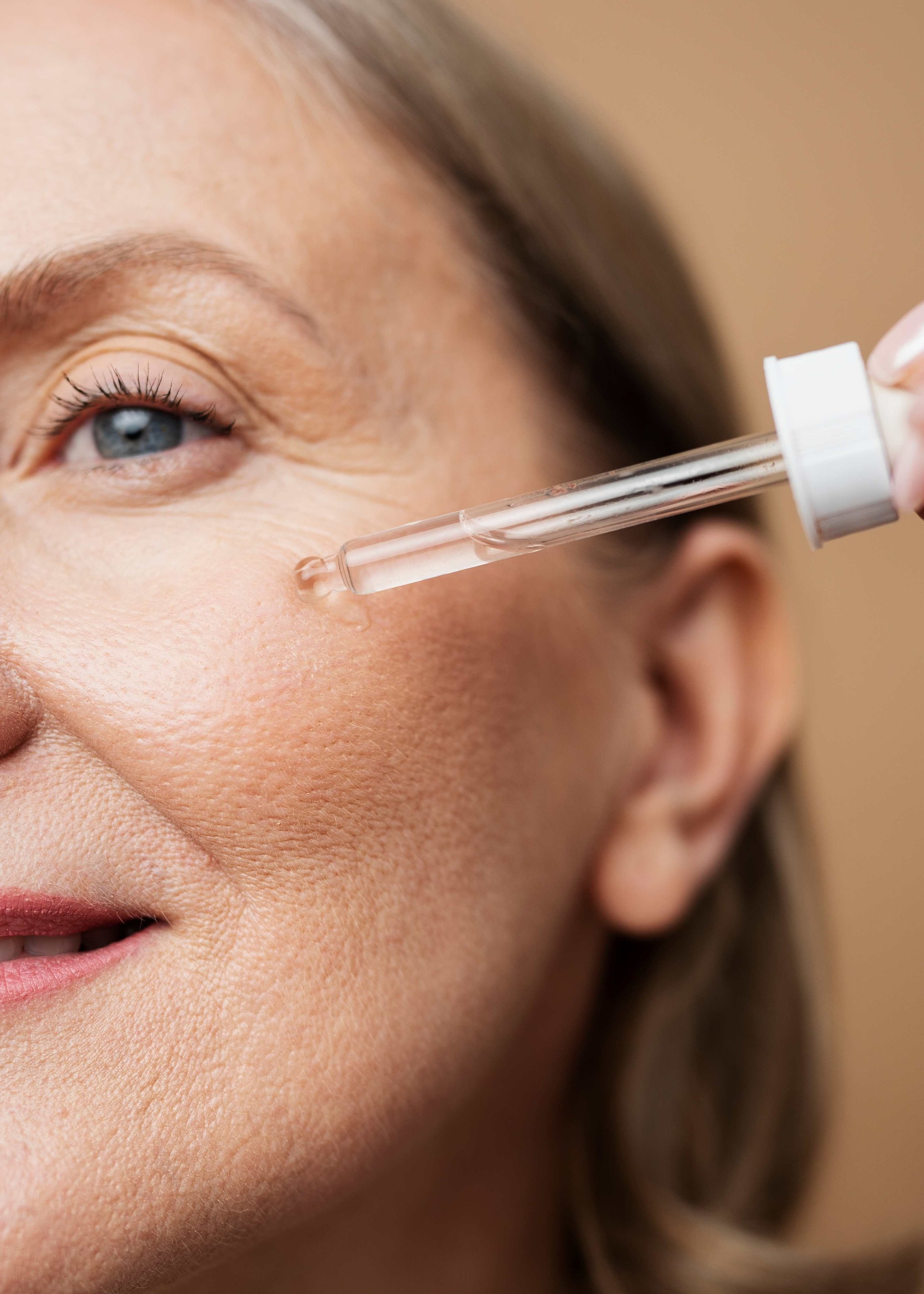
What Is the Skin Barrier?
The skin barrier is the outermost layer of your skin that protects against environmental stressors, bacteria, and moisture loss. When it is strong, your skin feels balanced, hydrated, and calm. When it is compromised, your skin becomes more reactive and prone to irritation and breakouts.
Signs Your Skin Barrier Is Damaged
Dryness and flaking
Redness or inflammation
Increased sensitivity
Breakouts or congestion
Tight or uncomfortable skin
How to Repair Your Skin Barrier Naturally
Avoid over-exfoliating and reduce the number of active ingredients you use.
2. Use Gentle, Non-Toxic Products
Choose products made with clean, plant-based ingredients that support the skin instead of stripping it.
3. Focus on Barrier-Supportive Oils
Botanical oils can help restore balance, lock in moisture, and support healing.
4. Avoid Harsh Ingredients
Stay away from alcohol-heavy formulas, synthetic fragrances, and aggressive treatments while your skin heals.
Ingredients That Support Skin Barrier Repair
Botanical oils (like blue tansy, jojoba, rosehip)
Antioxidant-rich plant extracts
Gentle, non-comedogenic moisturizers
How Long Does It Take to Repair the Skin Barrier?
With consistent care, most people notice improvement within a few days to a few weeks. The key is consistency and avoiding products that disrupt the healing process.
Supporting Your Skin Barrier with the Right Products
Using clean, barrier-supportive skincare can help speed up the repair process. Look for formulas designed for sensitive and acne-prone skin that focus on hydration, balance, and gentle nourishment.